
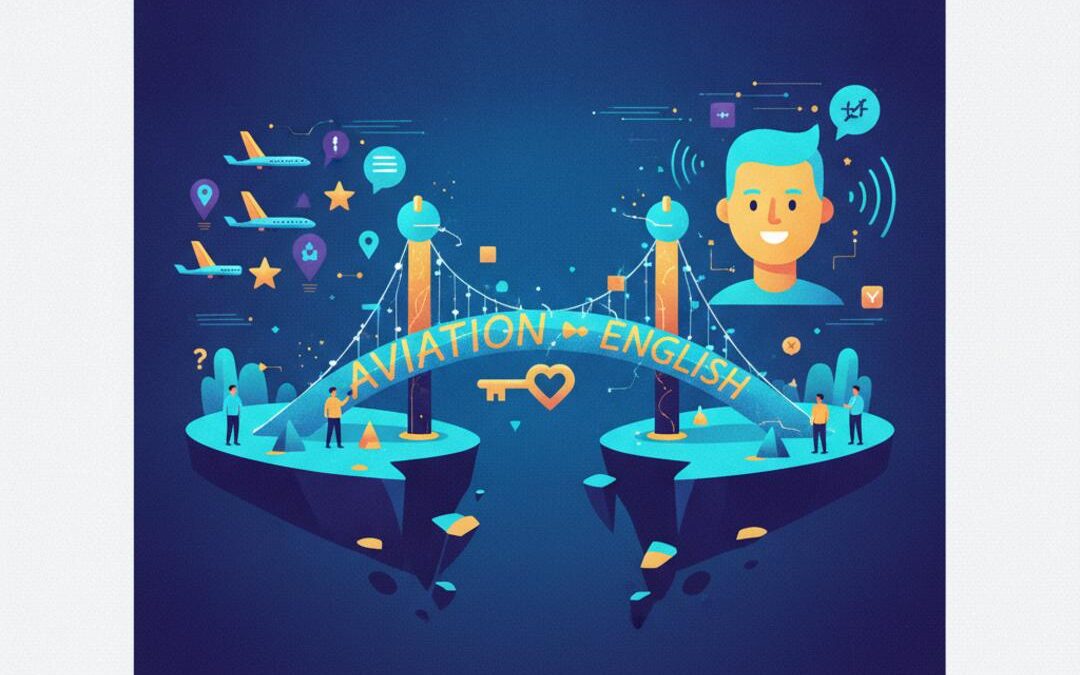
Aviation English
Aviation English for Loyalty Program Staff: The Competitive Edge in Elite Member Retention
In 2026, the differentiator is no longer just the benefits—it is how those benefits are communicated.
Estimated reading time: 7 minutes
Key Takeaways
- Aviation English for loyalty program staff is a strategic lever for retention, turning high-value members into lifetime brand advocates.
- Elite member customer service English is about precise, warm, and solution-oriented communication—not perfect grammar.
- Airlines with dedicated English for airline CRM and loyalty staff programs reported a 23% increase in elite member retention.
- Continuous upskilling in aviation hospitality English for premium members ensures agents can de-escalate tense situations.
- As AI handles basic queries, the human agent’s role in complex, emotional conversations becomes more critical than ever.
Table of Contents
In the highly competitive aviation industry, loyalty programs are the backbone of sustainable revenue. Airlines invest millions in points, perks, and partnerships, yet often overlook the most critical touchpoint: the human conversation. For elite frequent flyers, every interaction with a service agent is a moment of truth. In 2026, as global travel rebounds and premium expectations soar, the differentiator is no longer just the benefits—it is how those benefits are communicated. Aviation English for loyalty program staff has emerged as a strategic lever for retention, transforming high-value members into lifetime brand advocates.
Why Elite Members Demand More Than Points
Frequent flyers at the top tier expect recognition, empathy, and seamless problem-solving. A delayed upgrade or a missed lounge access can be forgiven if the agent communicates with clarity and confidence. But when language barriers create confusion, frustration escalates. Elite member customer service English is not about perfect grammar; it is about precise, warm, and solution-oriented communication. Airlines that train their loyalty teams in spoken English for airline loyalty teams see a direct impact on member satisfaction scores and reduced churn.
The Psychology of Premium Communication
High-value members are often global citizens. They switch between languages and cultures effortlessly. When an airline agent mirrors their fluency and understands nuances—like the difference between ‘I want’ and ‘I would appreciate’—the interaction feels personalized. This is where loyalty program communication skills aviation training becomes crucial. It equips agents to handle tier upgrade and benefits communication with tact, ensuring that a member’s status feels valued, not transactional.
The Business Case for Aviation English Training
A 2025 industry study revealed that airlines with dedicated English for airline CRM and loyalty staff programs reported a 23% increase in elite member retention. Why? Because communication breakdowns are the leading cause of escalated complaints. When a frequent flyer calls about a missing mileage credit, they want a quick resolution. If the agent struggles to explain the process in English, the member perceives incompetence, not just a technical glitch. Aviation English training 2026 focuses on scenario-based learning: handling irate members, explaining complex fare rules, and upselling premium cabins without sounding pushy.
Retention Starts with the First Hello
For airline loyalty program job interview English, candidates are now tested on real-time problem-solving. But the training cannot stop at hiring. Continuous upskilling in aviation hospitality English for premium members ensures that even seasoned agents can de-escalate tense situations. Consider a tier upgrade and benefits communication scenario: an agent must explain why a member’s upgrade was waitlisted. Using empathetic English—’I understand how important this is to you, and here is what I can do’—turns a negative into a loyalty-building moment.
When language barriers create confusion, frustration escalates. Communication breakdowns are the leading cause of escalated complaints—and the biggest threat to elite member retention.
How NILDS Bridges the Gap
NILDS specializes in corporate English for airline loyalty teams India and beyond. Their curriculum is built around real aviation scenarios, not generic business English. From simulating frequent flyer elite service communication to mastering the tone for premium member handling, NILDS ensures agents are confident and culturally aware. The result? Faster call resolution, higher CSAT scores, and members who feel heard.
Integrating English into Loyalty KPIs
Airlines that treat English proficiency as a KPI see tangible ROI. Agents trained in aviation English for loyalty program staff are better at upselling, cross-selling, and recovering service failures. They transform routine calls into brand advocacy opportunities. In 2026, the most successful loyalty programs will be those that invest in their people’s voices, not just their technology.
The Future of Loyalty Is Conversational
As airlines deploy AI chatbots for basic queries, the human agent’s role is shifting to high-value, complex interactions. This makes spoken English for airline loyalty teams more critical than ever. The agents who can navigate emotional conversations, explain policies clearly, and make members feel special will be the ones who turn a gold card into a lifetime relationship.
Aviation English is no longer a soft skill—it is a retention strategy. By prioritizing premium member handling English course content, airlines can ensure that every elite interaction reinforces the value of their loyalty program. In a world where points are easily replicated, the human connection remains the ultimate differentiator—and English is the bridge that makes it possible.
What the Most Successful Loyalty Programs Will Do in 2026
Invest in human voices. The most successful loyalty programs will prioritize agent communication over technology alone.
Treat English as a KPI. Proficiency directly impacts upselling, cross-selling, and service recovery outcomes.
Train continuously, not just at hiring. Ongoing scenario-based learning keeps seasoned agents sharp for complex interactions.
Turn calls into advocacy moments. Empathetic, clear English transforms routine service into loyalty-building experiences.
Bridge the human connection. English remains the ultimate differentiator where points can always be replicated.
Build the Skills for Your Global Career
Develop the communication, confidence and professional skills needed to become career-ready for aviation, hospitality and the global workplace.
Learn Today. Lead Tomorrow.