
Aviation English Training
Why Aviation English for Baggage Handling Staff Builds Customer Loyalty in 2026
In 2026, airline competition isn’t just about ticket prices or on-time performance—it’s about how you make passengers feel when things go wrong.
Estimated reading time: 7 minutes
Key Takeaways
- Clear English communication from baggage teams de-escalates tension and turns frustrated flyers into loyal customers.
- Studies show 70% of passengers who receive clear, proactive communication during baggage issues remain loyal.
- Agents need precise vocabulary for PIR, WorldTracer, liability limits and compensation policies.
- NILDS aviation hospitality English training uses real-world lost luggage role-plays to build confidence.
Table of Contents
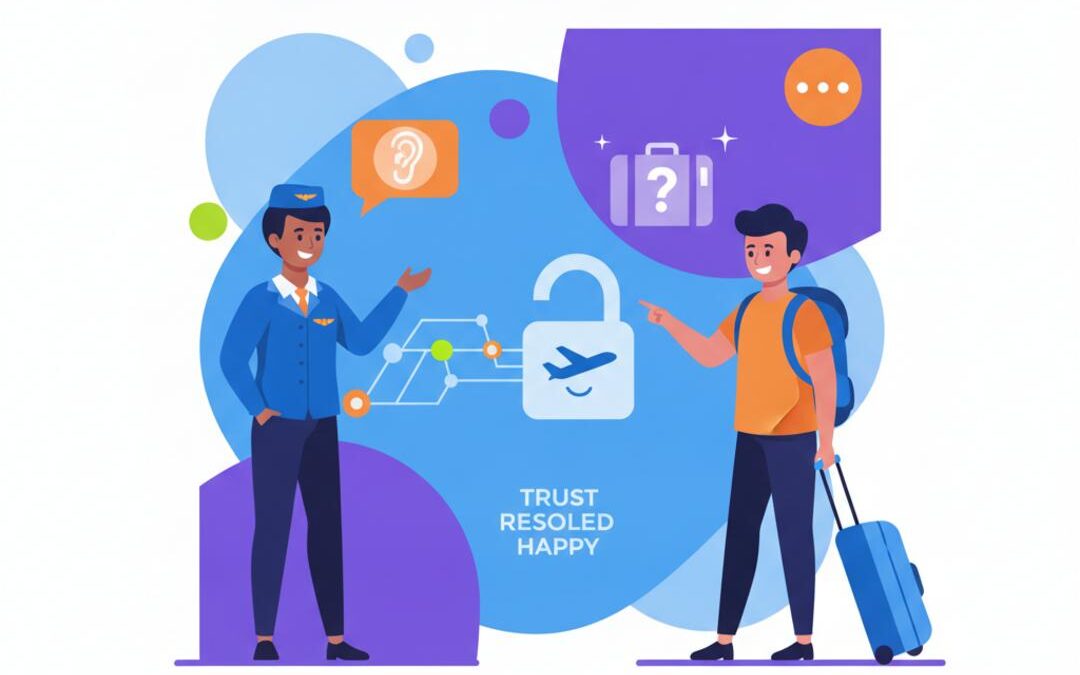
In 2026, airline competition isn’t just about ticket prices or on-time performance—it’s about how you make passengers feel when things go wrong. For baggage handling and lost luggage claims teams, clear communication is the secret weapon that turns frustrated flyers into loyal customers. Aviation English proficiency is no longer optional; it’s the difference between a complaint and a compliment.
Why Baggage Communication Matters More Than Ever
When a passenger’s luggage goes missing, emotions run high. They’re tired, anxious, and often far from home. Your team’s ability to explain the situation in clear, empathetic English can de-escalate tension instantly. Miscommunication leads to misunderstandings about compensation, delays in tracing, and ultimately, lost loyalty. Investing in English training for baggage handling staff ensures every interaction is handled with confidence and clarity.
The High Cost of Poor English in Baggage Claims
A simple mispronunciation or unclear instruction can escalate a routine baggage delay into a social media crisis. Studies show that 70% of passengers who receive clear, proactive communication during baggage issues remain loyal to the airline. Conversely, vague explanations about compensation or tracing timelines breed frustration. Spoken English for airline ground staff must include specialized vocabulary for claims, liability limits, and passenger rights.
Real-World Scenario: The Missing Suitcase
Imagine a passenger arriving in Mumbai from London, only to find their bag didn’t make the connection. If the agent says, “We will find it soon,” the passenger hears uncertainty. But an agent trained in aviation English for baggage handling staff might say, “I’ve initiated a trace for your bag. You’ll receive an update within 4 hours, and here’s your compensation eligibility for essentials.” That clarity builds trust.
Loyalty is earned in the moments of disruption—and clear English is the tool that turns those moments into opportunities.
Key English Skills for Baggage Teams
Passenger Compensation Communication English. Explaining allowances and claims requires precise language that avoids legal missteps and builds credibility.
Baggage Tracing and Claims Vocabulary. Terms like PIR, WorldTracer and liability limits must be used correctly and explained without jargon overload.
Empathetic Customer Service English. Genuine phrases for apologizing, reassuring and setting expectations require cultural sensitivity and active listening.
How NILDS Aviation English Training Transforms Teams
NILDS specializes in aviation hospitality English training India, focusing on real-world scenarios. Our programs include role-plays for lost luggage claims, baggage reconciliation communication training, and interview preparation for airline baggage service job interview English. Teams learn to handle angry passengers, explain complex policies, and document claims accurately—all in English.
Building Loyalty Through Clear Communication
When a baggage agent confidently explains the next steps, passengers feel valued. That positive experience, even during a mishap, creates a story they share. In 2026, loyalty is earned in the moments of disruption, and English proficiency is the tool that turns those moments into opportunities.
Invest in English, Reap Loyalty
Aviation English for baggage handling staff is not just about grammar—it’s about creating seamless customer journeys. By equipping your team with lost luggage claims English training and baggage delay and damage claim communication skills, you reduce complaints, speed up resolutions, and build a reputation for reliability. In a crowded market, clear communication is your competitive edge. Start training your baggage team today and watch frustrated flyers become your most loyal advocates.
Build the Skills for Your Global Career
Develop the communication, confidence and professional skills needed to become career-ready for aviation, hospitality and the global workplace.
Learn Today. Lead Tomorrow.